
What buyers should compare before purchasing new trucks
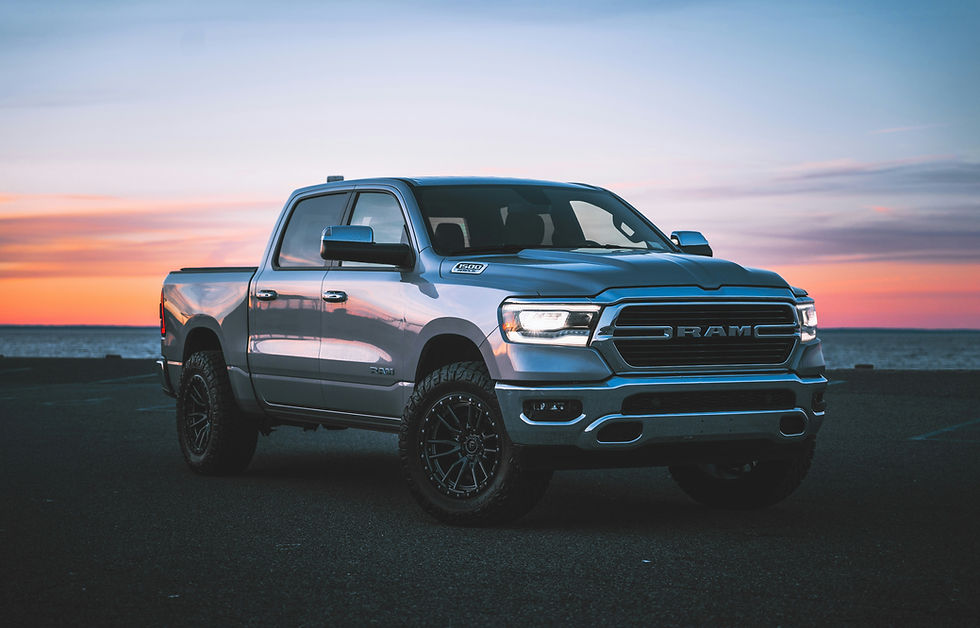
Buying a new truck is a major decision because it affects daily driving comfort, long-term costs, and overall performance for years. Unlike regular cars, trucks are built for specific purposes such as towing, hauling, off-road driving, or family use, which makes comparison even more important. Before making a choice, buyers should carefully evaluate performance, features, safety, and ownership costs to avoid paying for things they don’t actually need.
For buyers exploring different options and availability, one useful starting point is browsing New trucks for sale which helps you understand the variety of models, trims, and configurations currently offered in the market.
This guide explains the key factors every buyer should compare before purchasing a new truck so they can make a practical and informed decision.
Purpose and Intended Use
The first thing buyers should compare is how the truck will actually be used. Trucks are designed for different lifestyles and work needs, and choosing the wrong type can lead to unnecessary cost or underperformance.
Some buyers need a truck for daily commuting with occasional utility use, while others may require it for heavy towing, construction work, or off-road adventures. Understanding your primary use helps narrow down whether you need a light-duty, midsize, or heavy-duty truck.
For example, a commuter-focused buyer may prioritize fuel efficiency and comfort, while a contractor may focus on payload strength and durability. Matching the truck to the intended purpose ensures better long-term satisfaction and cost efficiency.
Engine Performance and Power Output
Engine performance is one of the most important comparison points when buying a new truck. It directly affects towing capacity, acceleration, and overall capability.
Buyers should look at horsepower and torque ratings, as torque plays a major role in pulling heavy loads. Different engine types, such as V6, V8, turbocharged engines, and diesel options, offer different advantages. Diesel engines often provide strong towing power and efficiency under load, while gasoline engines may offer smoother everyday driving.
It’s also important to compare how engine choices affect fuel consumption. A more powerful engine may increase capability but also increase long-term fuel expenses.
Towing and Payload Capacity
One of the biggest reasons people buy trucks is their ability to carry and pull heavy loads. Because of this, towing and payload capacity should always be compared carefully between models.
Towing capacity refers to how much weight a truck can pull behind it, such as trailers, boats, or equipment. Payload capacity refers to how much weight the truck can carry inside the bed and cabin.
Buyers should also consider towing features such as trailer sway control, integrated brake controllers, and hitch compatibility. A truck that looks powerful on paper may not always be suitable for your real-world towing needs, so comparing specifications is essential.
Fuel Economy and Running Costs
Fuel economy is often overlooked but becomes one of the biggest long-term expenses in truck ownership. Even small differences in miles per gallon can significantly affect yearly costs, especially for drivers who use their trucks daily.
Buyers should compare fuel efficiency across different engine options and drivetrain configurations, such as two-wheel drive versus four-wheel drive. Diesel engines may offer better efficiency under load, while smaller turbo engines may provide better balance between power and economy.
It’s also important to consider maintenance costs, insurance rates, and potential repair expenses. A truck that is cheaper upfront may end up being more expensive over time if running costs are high.
Cab Size and Interior Space
Truck cab configuration plays a major role in comfort and practicality. Buyers should compare regular cab, extended cab, and crew cab options depending on passenger needs.
A regular cab is more compact and focused on work use, while a crew cab offers full rear seating and is better suited for families or group travel. Extended cabs provide a middle option with additional storage or occasional seating.
Interior space also includes comfort features such as legroom, seat quality, and storage compartments. Buyers who spend long hours driving should prioritize cabin comfort and usability.
Technology and Interior Features
Modern trucks are no longer just work vehicles—they now include advanced technology similar to luxury SUVs. Buyers should compare infotainment systems, connectivity features, and convenience upgrades.
Important features include touchscreen displays, smartphone integration like Apple CarPlay and Android Auto, Bluetooth connectivity, and navigation systems. Higher trims may also include wireless charging, premium audio systems, and digital instrument clusters.
Comfort features such as heated seats, ventilated seats, and climate control systems also make a big difference in daily driving experience. Comparing these features helps buyers choose a truck that matches their lifestyle needs.
Safety Features and Driver Assistance
Safety is another key factor that should never be ignored. Modern trucks often include advanced driver assistance systems that improve safety and reduce driving stress.
Buyers should compare features such as automatic emergency braking, lane departure warnings, blind-spot monitoring, adaptive cruise control, and rearview camera systems. These technologies are especially useful for larger vehicles that are harder to maneuver.
Trailer assistance and parking sensors are also important for drivers who regularly tow or drive in tight urban spaces. A well-equipped safety package can significantly reduce accident risk and improve confidence on the road.
Build Quality, Reliability, and Resale Value
Trucks are often long-term investments, so build quality and reliability matter just as much as performance. Buyers should compare brand reputation, warranty coverage, and long-term durability ratings.
Some trucks hold their value better than others, which affects resale value if you plan to upgrade in the future. A reliable truck with strong resale value can save money in the long run even if the initial price is higher.
It is also helpful to check real-world owner feedback and long-term reliability reports to understand how a truck performs after years of use.
Drivetrain and Off-Road Capability
Drivetrain options such as two-wheel drive, four-wheel drive, and all-wheel drive should be carefully compared depending on driving conditions. Buyers in areas with rough terrain, snow, or mud may benefit from four-wheel drive systems.
Off-road packages may include features like skid plates, off-road tires, upgraded suspension, and terrain management systems. These features are essential for buyers who plan to use their trucks beyond paved roads.
Choosing the right drivetrain ensures better traction, stability, and safety in challenging driving environments.
Conclusion
Comparing new trucks before purchasing is essential because it ensures buyers get the right balance of performance, comfort, and long-term value. From engine power and towing capacity to safety features, fuel economy, and interior comfort, each factor plays a role in the overall ownership experience.
By carefully evaluating these aspects instead of focusing only on appearance or price, buyers can choose a truck that truly fits their needs and lifestyle. A well-informed decision leads to better satisfaction, lower long-term costs, and a more reliable driving experience for years to come.


