
What Makes a Backyard Feel More Private Without Installing a Fence
- May 30
- 6 min read
Introduction
In many suburbs that see homes built very near each other, a quiet private backyard is what many homeowners go for. While fences are a common way to increase privacy, they are not always seen as the best-looking or most practical solution. Also, some homeowners prefer a more natural look; others may have issues with neighborhood rules or just don’t want to deal with the price and maintenance of a fence.
Fortunately, that which works very well is to present an outdoor space as a private area without breaking in to construction of a fence. By means of smart landscaping, strategic plant placement, decorative structures, and creative design elements, homeowners can transform a very open backyard into a relaxing retreat that feels sheltered and at ease.
Why Backyard Privacy Matters
Outdoor areas have grown to include the home. Families use their backyards for entertainment, relaxation, dining, gardening, and quality time. Also, when neighbors can see into the yard, it may play a role in not fully enjoying the space.
Privacy is a greater issue than just blockage of view. Also, it plays a role in comfort, security, and peace of mind. Homeowners see their secluded backyards as more functional, which in turn they use for daily activities.
In many suburban areas homes are put in with little space between lots. Raised patios, second-story windows, and nearby walkways all play a role in reducing that which is private. This is the reason that there is an increase in the use of landscape methods to soften views and create more of a private outdoor area.
Using Hedges and Shrubs for Natural Screening
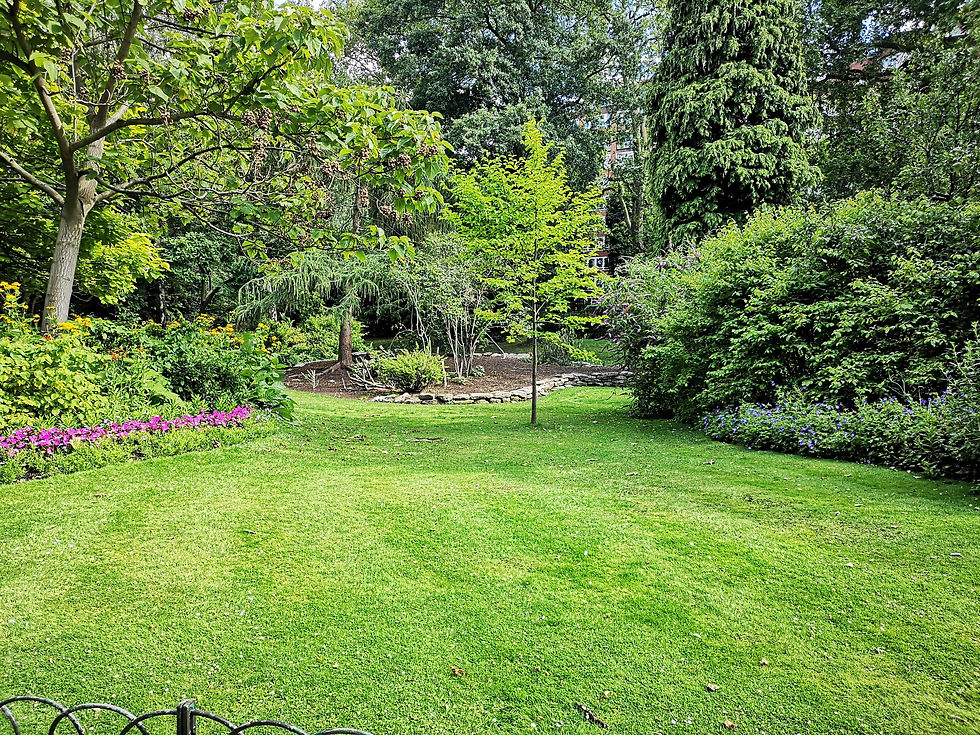
Planting hedges or dense shrubs is a very popular option for creating privacy that doesn’t include a traditional fence. Also, unlike a solid fence, which is just a wall, greenery also brings texture and a soft element as well as seasonal appeal to a garden.
Evergreen shrubs do all year round what some deciduous ones can’t do in a season. Choices that do well are arborvitae, boxwood, holly, and privet. Also, they can be used to form natural screens along property lines or around seating areas.
Layer out various plant heights for a better landscape look. Taller hedges in with the smaller flowering plants add depth and at the same time prevent the yard from looking too closed in.
Another benefit of privacy screens is sound reduction. Dense shrubs do well at dampening noise from the nearby road or neighbors, which in turn makes the backyard a quieter and more relaxing environment.
Decorative Screens Add Style and Separation
Decorative garden screens, which offer privacy at the same time as they enhance the design. There is a large choice of materials, which include wood, metal, bamboo, and composite options.
Unlike that of a fence, decorative screens are for a time not full property partitions; instead, they serve as a partial divide of seating areas, outdoor kitchens, patios, or within a garden setting—these can be used and still not have that close-in feeling of the yard.
Laser cut metal panels with geometric designs have grown to be very popular in modern landscaping. Wood slat screens also produce a very contemporary look at the same time they let in air flow and filtered light.
In compact gardens decorative screens are a great solution that presents the appearance of separate outdoor "rooms." They in turn make the space feel bigger, more thought out, and more private.
Pergolas Create Comfortable Outdoor Retreats
Pergolas are also an excellent privacy solution that at the same time improves function and appearance. Though pergolas don't fully block out sight, they do create a designated outdoor space that feels more protected.
Adding curtains, retractable shades, or climbing plants to a pergola will greatly improve privacy. Homeowners tend to put in a pergola over patios, living areas, and outdoor dining rooms, which in turn creates a more intimate setting.
Pergolas also give shade, which in turn makes outdoor settings more comfortable during warmer months. Also, they serve an architectural purpose that draws focus upwards away from nearby homes or neighboring views.
In today’s landscapes, pergolas are used with green elements and lighting, which in turn creates intimate backyards that are separate from the nearby area.
Climbing Plants Offer Vertical Privacy
Vertical gardening is a great choice for people with small yards. Climbing plants may grow on trellises, pergolas, decorative screens, or garden arches to create dense privacy screens.
Popular choices among climbers are jasmine, ivy, clematis, wisteria, and climbing roses. These plants bring in color, scent, and texture as they grow to also provide private space over time.
Using climbing plants is a more affordable option as compared to the installation of permanent structures. Also, they produce a softer, more natural look than solid barriers.
In patios, balconies, and pool areas, vertical gardens are a great solution for when homeowners want extra screening that, at the same time, does not use up precious floor space.
Strategic Tree Placement Makes a Big Difference
Trees are a great element in home landscaping for privacy. Also, they may block unwanted views at the same time, which improves shade and overall home value.
Rapidly growing species of trees, which include cypress, maple, and some evergreen types, are used for this purpose. Also, tall trees do well when nearby homes have second-story windows that look into the backyard.
The secret is in what is put in which location. While many designers plant trees in straight lines, there is value in a more varied approach, which has a more natural look and also is more pleasing to the eye.
Trees also play a role in defining outdoor spaces. For example, at a patio or fire pit it is seen that trees surrounding it make that area feel more separate and private.
Addressing Common Suburban Backyard Concerns
Suburban home owners also see the same issues with respect to privacy. Close in homes, raised decks, and common property lines are a part of this.
In this case it is best to use many privacy solutions together. For instance, homeowners may put in shrubs at the property line and also add a pergola with climbing plants around the patio.
Another issue is that of light. It is found that with solid fences, which may block out light and air, other landscaping options are present that, at the same time, give privacy. Also, this creates a more open and inviting outdoor setting.
Noise in suburban areas is also an issue. Trees, hedges, and layered landscaping are effective in reducing noise from the nearby streets and neighboring yards, which in turn makes the space feel more tranquil and separate.
Privacy Planning Around Pools and Outdoor Living Areas
Outdoor living areas are growing in complexity, which is also true for pools. Many home owners want their pool areas to present a very private and calm feel without the space to feel closed in.
Professional pool builders also include privacy in their total landscape design, which is a fact. It is seen that they use strategic plant placement, pergolas, and decorative walls, and they create shaded lounging areas, which in turn allow homeowners to get more comfort out of their pools and at the same time enhance the look of the backyard.
Privacy features for pools also increase safety and reduce distractions from the surrounding properties. A thoughtfully designed layout creates a tropical feel, which in turn encourages relaxation and entertainment.
Balancing Privacy With Aesthetic Appeal
None of the non-fence privacy options present flexibility; homeowners are able to choose what works best for their architectural style, climate, and personal taste.
Nature, which is what is seen in a lot of modern designs, tends to flow much better into the outdoor setting as a whole as opposed to the classic fence. What is gotten instead of that defined sharp line is green elements and decorative features, which in turn present a very welcoming and pretty environment.
In the best of backyards there is a balance between open and private elements. Homeowners may achieve that by layering in plant materials, structures that break up the space, and included seating areas that are in the shade.
Final Thoughts
A private backyard doesn’t need a tall fence or a whole enclosure at all; in fact, through clever landscaping and creative use of outdoor space, homeowners can present a very natural yet elegant and practical solution.
Hedges, trees, pergolas, climbing plants, and decorative screens bring in a sense of seclusion, which at the same time improves a property’s beauty. In suburban settings where home properties are built tight together and outdoor comfort is an issue, these are when they prove to be very useful.
Through careful planning and by using a variety of elements, homeowners are able to turn a small or exposed backyard into a peaceful retreat for relaxation, entertainment, and daily use.


