
What's the Best Type of Attic Insulation?
- May 6
- 8 min read
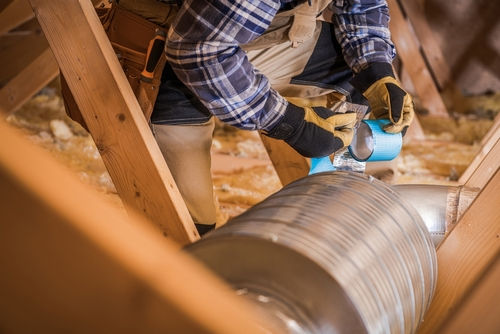
Choosing the best type of attic insulation can make a major difference in your home’s comfort, energy efficiency, and long-term utility costs. Because heat naturally rises, your attic plays a major role in how much warm air escapes during the winter and how much outdoor heat enters during the summer. When your attic is poorly insulated, your HVAC system has to work harder to keep your home comfortable. That can lead to higher energy bills, uneven indoor temperatures, and unnecessary wear on your heating and cooling equipment.
The best attic insulation depends on several factors, including your climate, budget, attic layout, existing insulation, and energy-efficiency goals. Some homeowners need a simple insulation upgrade, while others may benefit from air sealing, old insulation removal, or professional attic insulation services to correct more serious energy issues. Below, we will break down the most common types of attic insulation, their pros and cons, and how to decide which option is right for your home.
Why Attic Insulation Matters
Attic insulation helps slow the transfer of heat between your living space and the outdoors. In colder months, it helps keep heated air inside your home. In warmer months, it helps prevent attic heat from radiating into your living areas.
Proper attic insulation can help:
Lower monthly heating and cooling costs
Improve year-round indoor comfort
Reduce drafts and hot or cold spots
Extend the life of your HVAC system
Improve your home’s overall energy efficiency
Help prevent moisture-related issues when paired with proper ventilation
Insulation is measured by R-value, which refers to its resistance to heat flow. The higher the R-value, the better the insulation performs. Recommended R-values vary by region, so the right amount of insulation for a home in a cold northern climate may be different from what is needed in a warmer southern climate.
Fiberglass Batt Insulation
Fiberglass batt insulation is one of the most common insulation types used in attics. It comes in pre-cut rolls or blankets and is typically installed between attic joists.
Pros of Fiberglass Batt Insulation
Fiberglass batts are popular because they are widely available and usually more affordable than some other insulation types. They are also relatively simple to install in attics with open, evenly spaced joists.
Benefits include:
Lower upfront cost
Easy availability
Good thermal performance when installed correctly
Non-combustible material
Suitable for open attic spaces
Cons of Fiberglass Batt Insulation
The biggest drawback is that fiberglass batts must be installed carefully to work well. Gaps, compression, or poor fitting around wiring and obstacles can reduce performance. Fiberglass also does not provide strong air sealing on its own.
Potential downsides include:
Can leave gaps around pipes, wires, and framing
Less effective if compressed or poorly fitted
May irritate skin, eyes, or lungs during installation
Does not stop air leaks without separate air sealing
Fiberglass batts can be a good option for budget-conscious homeowners, especially if the attic is easy to access and has a simple layout.
Blown-In Fiberglass Insulation
Blown-in fiberglass is made of loose fiberglass particles that are installed using specialized blowing equipment. This makes it easier to cover irregular attic spaces than traditional batts.
Pros of Blown-In Fiberglass
Blown-in fiberglass can fill gaps and spaces more evenly than batt insulation. It is especially useful for attics with unusual framing, obstacles, or existing insulation that needs to be topped off.
Benefits include:
Good coverage in hard-to-reach areas
Lightweight material
Resistant to moisture absorption
Non-combustible
Useful for insulation upgrades
Cons of Blown-In Fiberglass
Although blown-in fiberglass provides better coverage than batts, it still does not fully air seal the attic. Air leaks should be sealed before installation for best results. It can also settle slightly over time, which may reduce its effectiveness.
Potential downsides include:
Requires special equipment
May settle over time
Does not create an air barrier
Professional installation is often recommended
Blown-in fiberglass is a strong option for homeowners who want better attic coverage without choosing a higher-cost insulation material.
Cellulose Insulation
Cellulose insulation is a loose-fill material typically made from recycled paper products treated for fire and pest resistance. It is blown into attic spaces and is known for providing dense coverage.
Pros of Cellulose Insulation
Cellulose is often chosen because it offers strong thermal performance and fills small gaps well. Its dense composition can also help reduce air movement more effectively than fiberglass, although it is not a complete substitute for air sealing.
Benefits include:
Made from recycled materials
Good coverage around obstructions
Strong thermal performance
Can help reduce air movement
Often cost-effective for attic upgrades
Cons of Cellulose Insulation
Cellulose can absorb moisture if attic ventilation or roof leaks are a problem. If it becomes wet, it may lose effectiveness and need replacement. It can also settle over time, so proper installation depth is important.
Potential downsides include:
Can absorb moisture
May settle over time
Requires professional equipment
Dustier during installation than some alternatives
Cellulose is a great choice for many homeowners looking for a balance of performance, affordability, and environmental benefits.
Spray Foam Insulation
Spray foam insulation is applied as a liquid that expands and hardens into a solid insulating layer. It comes in two main types: open-cell and closed-cell spray foam.
Open-Cell Spray Foam
Open-cell spray foam is lighter and less dense. It provides good insulation and air sealing but has a lower R-value per inch than closed-cell foam.
Closed-Cell Spray Foam
Closed-cell spray foam is denser and offers a higher R-value per inch. It also adds moisture resistance and structural strength, making it a premium option.
Pros of Spray Foam Insulation
Spray foam is one of the most effective attic insulation options because it can insulate and air seal at the same time. This can significantly improve energy efficiency and comfort.
Benefits include:
Excellent air sealing
High energy efficiency
Helps reduce drafts
Works well in complex attic spaces
Long-lasting performance
Closed-cell foam offers moisture resistance
Cons of Spray Foam Insulation
The main drawback is cost. Spray foam is usually more expensive than fiberglass or cellulose. It also requires professional installation, and improper application can cause performance or indoor air quality issues.
Potential downsides include:
Higher upfront cost
Requires trained installers
May not be necessary for every attic
Can complicate future roof or attic repairs
Spray foam may be the best option for homeowners who want maximum performance, especially in homes with major air leakage, finished attic spaces, or challenging rooflines.
Mineral Wool Insulation
Mineral wool, also called rock wool, is made from natural stone or industrial byproducts spun into fibers. It is available in batts and loose-fill forms.
Pros of Mineral Wool
Mineral wool is durable, fire-resistant, and moisture-resistant. It also provides sound control benefits, making it appealing for homeowners who want both insulation and noise reduction.
Benefits include:
Excellent fire resistance
Moisture-resistant
Good sound absorption
Holds shape better than fiberglass batts
Strong thermal performance
Cons of Mineral Wool
Mineral wool typically costs more than fiberglass and may be harder to find. Like fiberglass batts, it must be fitted carefully to avoid gaps.
Potential downsides include:
Higher cost than fiberglass
Less widely available
Requires careful installation
Does not fully air seal on its own
Mineral wool is a solid choice for homeowners who want a durable, fire-resistant insulation material and are willing to pay slightly more.
Radiant Barrier Insulation
Radiant barriers are reflective materials installed in attics to reduce radiant heat transfer. They are most useful in hot climates where attic heat gain is a major concern.
Pros of Radiant Barriers
Radiant barriers can help reduce cooling costs by reflecting heat away from the living space. They are often installed under the roof deck or across attic rafters.
Benefits include:
Helpful in hot, sunny climates
Can reduce attic heat gain
May improve cooling efficiency
Works well alongside traditional insulation
Cons of Radiant Barriers
Radiant barriers are not a replacement for standard attic insulation. They work best as a supplement, not as the primary insulation material.
Potential downsides include:
Less useful in colder climates
Does not provide traditional R-value
Must be installed correctly to work well
Performance depends on climate and attic design
Radiant barriers are best for homes in warm regions where summer cooling costs are a major concern.
So, What Is the Best Type of Attic Insulation?
For many homes, blown-in cellulose or blown-in fiberglass offers the best balance of cost, performance, and coverage. These materials are especially effective for topping off existing attic insulation and improving energy efficiency without a major renovation.
However, spray foam may be the best choice if your attic has significant air leaks, complex framing, or comfort problems that standard insulation has not solved. Fiberglass batts may be a practical option for simple attic spaces and smaller budgets. Mineral wool is excellent for homeowners who value fire resistance and durability. Radiant barriers can be helpful in hot climates, but should usually be paired with traditional insulation.
The best solution often involves more than simply adding insulation. Air sealing, ventilation, moisture control, and proper installation all affect performance. That is why many homeowners choose professional attic insulation services to evaluate the attic, recommend the right material, and install it correctly.
Signs You May Need New Attic Insulation
You may need to upgrade your attic insulation if you notice:
High heating or cooling bills
Rooms that are difficult to keep comfortable
Drafts or uneven temperatures
Ice dams in winter climates
Insulation that looks compressed, dirty, or damp
Pest damage or signs of contamination
An attic floor with insulation below the top of the joists
HVAC equipment that runs constantly
If your insulation is old, damaged, or poorly installed, replacing or supplementing it can make a noticeable difference.
Why Professional Installation Matters
Even the best insulation material will underperform if it is installed incorrectly. Professionals can identify air leaks, check ventilation, calculate the proper R-value, and install insulation at the correct depth and density.
Professional attic insulation services can help ensure:
Proper material selection
Correct R-value for your climate
Even coverage across the attic
Reduced gaps and thermal weak spots
Safe handling of old or contaminated insulation
Better long-term energy performance
A professional inspection can also reveal hidden issues, such as roof leaks, blocked vents, mold concerns, or inadequate attic airflow.
FAQ
What is the most energy-efficient attic insulation?
Spray foam is often the most energy-efficient because it provides both insulation and air sealing. However, blown-in cellulose and blown-in fiberglass can also perform very well when installed correctly with proper air sealing.
What is the most affordable attic insulation?
Fiberglass batt insulation is usually one of the most affordable options. Blown-in fiberglass and cellulose are also cost-effective choices for many attic insulation upgrades.
How much attic insulation do I need?
The amount depends on your climate zone and existing insulation. Most homes need enough insulation to meet recommended attic R-values for the region. A professional can measure your current insulation and recommend the right depth.
Is spray foam worth it in an attic?
Spray foam can be worth it if your home has major air leaks, high energy bills, or comfort problems. It costs more upfront but may provide better long-term efficiency in the right situation.
Can I add new insulation over old insulation?
Yes, new insulation can often be added over old insulation if the existing material is dry, clean, and free of mold, pests, or damage. Contaminated or wet insulation should be removed first.
How long does attic insulation last?
Many insulation materials can last for decades, but performance may decline if insulation becomes compressed, wet, disturbed, or damaged by pests.
What is the best attic insulation for hot climates?
Blown-in insulation combined with a radiant barrier can be effective in hot climates. Proper ventilation is also important for reducing attic heat buildup.
Should attic insulation be installed by a professional?
Professional installation is recommended for best results, especially for blown-in insulation, spray foam, old insulation removal, or homes with air leaks and ventilation concerns.


