Which Type of Roof Lasts the Longest and Why?
- Jul 21, 2025
- 3 min read
Updated: Jul 30, 2025
When investing in a new roof, longevity is often one of the first questions homeowners ask about. After all, replacing a roof is no small expense. With a variety of roofing materials on the market—from asphalt shingles to slate tiles—it can be difficult to decide which type offers the best lifespan and value. In this blog, we’ll explore the most durable roofing materials and what makes them last so long.
What Affects Roof Longevity?
Before diving into materials, it’s important to understand the key factors that affect how long a roof lasts:
Material quality – Some roofing materials naturally degrade faster than others.
Installation – A poorly installed roof, even if made with premium material, won’t last long.
Climate and weather – Harsh winters, extreme heat, or high winds can shorten a roof’s life.
Maintenance – Regular inspections and repairs can extend a roof’s life significantly.
Ventilation and insulation – Poor attic airflow can damage roofing from the inside out.
Choosing the right contractor is just as important as picking the right material. That’s where
Arocon roofers come in. Known for their attention to detail and high-quality installation, Arocon roofers can help ensure your roof meets its full potential lifespan.
Which Roofing Material Lasts the Longest?
Now let’s break down the most common roofing materials and how they compare when it comes to longevity.
1. Slate Roofing – 75 to 100 Years
Slate roofs top the list in terms of longevity. Made from natural stone, slate tiles can easily last a century or more with proper installation. They’re fire-resistant, resistant to mold, and nearly impervious to harsh weather. However, they’re also one of the most expensive roofing materials and require expert installation due to their weight.
If you're considering slate, working with experienced professionals is crucial. Improper installation can lead to cracking or shifting over time, especially in areas with freeze-thaw cycles.
2. Clay or Concrete Tiles – 50 to 100 Years
Popular in warmer climates, clay and concrete tiles are another long-lasting option. These tiles resist fire, insects, and rot. Clay tiles in particular are ideal for areas with high temperatures, as they reflect heat well. They are heavier than most other materials, so they may need reinforced roof framing.
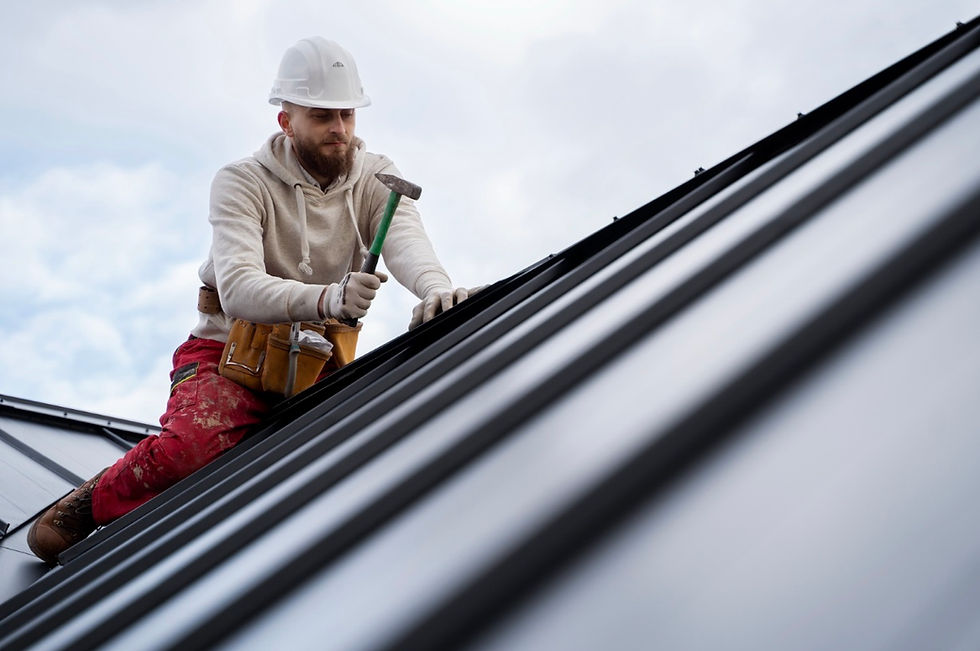
3. Metal Roofing – 40 to 70 Years
Metal roofing has gained popularity for both residential and commercial buildings. Options like aluminum, steel, and copper offer excellent durability. Metal resists insects, mildew, and fire, and reflects sunlight to help with cooling.
While not as long-lasting as slate or clay, metal roofing still offers a solid return on investment. It’s also more lightweight and eco-friendly, often containing recycled content.
4. Wood Shingles and Shakes – 25 to 40 Years
Wood roofs offer a natural look that many homeowners love. Cedar is the most commonly used wood due to its resistance to rot and insects. However, wood roofs need regular maintenance to prevent moss, mold, or fire damage. In drier climates, they last longer; in humid areas, not so much.
5. Asphalt Shingles – 15 to 30 Years
Asphalt shingles are the most common roofing material in the US because they’re cost-effective and easy to install. However, they have the shortest lifespan among common roofing materials. Architectural shingles (a higher-end type of asphalt) can last a bit longer—up to 30 years with proper care.
Conclusion: What Should You Choose?
If you want a roof that truly stands the test of time, slate or clay tiles are your best bet. Metal is a solid middle-ground option, offering a long lifespan with less weight and cost. Wood and asphalt offer aesthetic and budget advantages but come with shorter lifespans.
Regardless of material, your roof’s lifespan will depend heavily on who installs it. That’s why working with seasoned professionals ensures not just longevity, but peace of mind. Choose the right material—and the right team—and your roof can protect your home for decades to come.