
Why Professional Event Production Has Become the Backbone of Serious Industry Gatherings
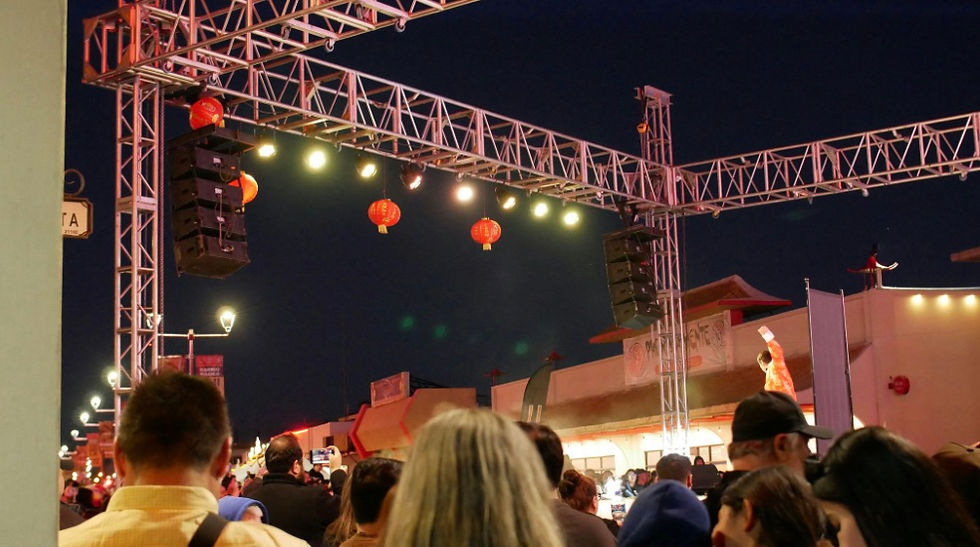
The difference between an event that people attend and an event that people remember is rarely the guest list or the venue.
It is the quality of the production behind it, the invisible architecture of logistics, staging, timing, and experience design that determines whether a gathering delivers on its promise or leaves attendees wondering why they made the trip.
The Evolving Expectations Around Industry Events
What Attendees Now Expect
Attendees at professional and trade events have become significantly more demanding over the last decade, and that shift has changed what organizers are required to deliver to be taken seriously.
A conference or exhibition that ran successfully on modest production values in 2010 would struggle to retain the same audience today, not because the content has changed but because the standard of execution that professionals now associate with credibility has risen sharply.
This is not simply an aesthetic preference. When production quality falls short, it signals something to attendees about the seriousness of the organiser, the value placed on their time, and the calibre of the experience they can expect from everything else at the event.
First impressions are formed by what people see, hear, and feel in the first minutes of arrival, and those impressions shape everything that follows.
The Commercial Stakes Behind a Well-Run Event
Professional events exist to generate outcomes, whether those outcomes are sales conversations, supplier relationships, industry knowledge, or brand positioning.
Every element of the production, from the registration experience to the lighting of the main stage to the clarity of directional signage, either supports or undermines the conditions in which those outcomes can be achieved.
A poorly produced event pushes attendees into a defensive posture where they are managing discomfort rather than engaging with the content and the people around them.
A well-produced event removes friction so completely that attendees can focus entirely on what they came to do, which is exactly the condition in which commercial and professional relationships are most likely to form.
What Professional Event Production Actually Involves
Beyond Logistics and Venue Booking
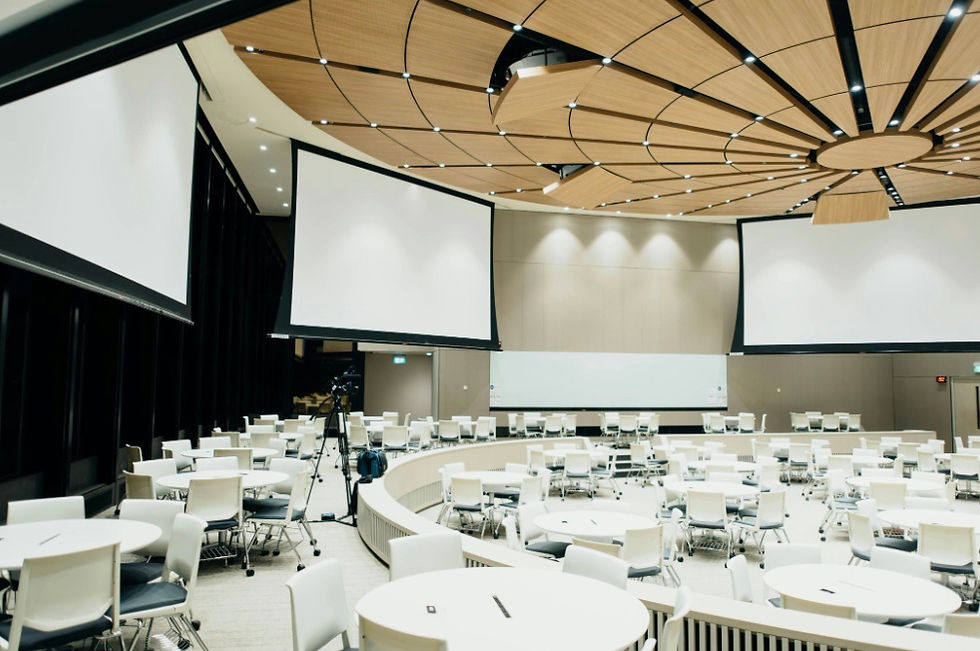
Many people underestimate what professional event production encompasses, assuming it covers logistics and little else.
In reality, it spans creative direction, spatial design, audiovisual engineering, brand integration, talent and speaker management, supplier coordination, crowd flow planning, contingency management, and the moment-by-moment oversight that keeps a complex live experience on track across every one of its moving parts.
Each of those disciplines has its own body of expertise, and the companies that do this work at a professional level have invested years in building teams, relationships, and systems that make high-stakes events look effortless.
Working with an experienced event production house like Bamworkz means accessing that accumulated infrastructure rather than trying to build it from scratch for a single event, which changes both the quality of the outcome and the stress level of everyone responsible for delivering it.
The Role of Creative Direction in Event Design
Creative direction is the discipline that transforms a functional event into a memorable one, and it is often the element most undervalued in the early stages of planning.
The spatial experience of an event, how people move through it, what they see at each point, and how the environment makes them feel, is as much a communication tool as any presentation or panel discussion.
A well-directed event communicates brand values, establishes authority, and creates the emotional context in which the content will be received before a single speaker steps on stage.
Investing in this layer of the production is not a luxury for large budgets but a strategic decision that affects the return on everything else the event is designed to achieve.
Technology as the Foundation of Modern Events
Audiovisual technology has become so central to live events that it now defines the ceiling of what is possible experientially.
High-resolution LED walls, precision audio systems, seamless streaming infrastructure, and dynamic lighting design are no longer features of exceptional events but baseline expectations at the professional level across major markets in Asia and globally.
The technical complexity of deploying these systems reliably in a live environment requires specialist knowledge that only comes from doing it repeatedly across a variety of venues and event types.
Production companies with deep technical experience reduce the risk of failure at critical moments and expand the range of creative options available to event designers who understand what the technology can actually do.
Trade Events as a Case Study in High-Stakes Production
Why Trade Fairs Demand the Highest Production Standards
Trade fairs occupy a unique position in the event landscape because they bring together the full range of production challenges simultaneously.
They are large-scale, multi-day, multi-zone experiences that must serve exhibitors, buyers, press, and industry professionals all at once, often across hundreds of thousands of square metres of floor space.
The production requirements of a major trade fair are closer to those of a small city than a conference.
Wayfinding, power distribution, digital infrastructure, exhibitor support, registration systems, press facilities, and the branded experience of the overall event all need to function cohesively under the pressure of tens of thousands of visitors over multiple consecutive days.
The Fabric and Apparel Sector as a Leading Example
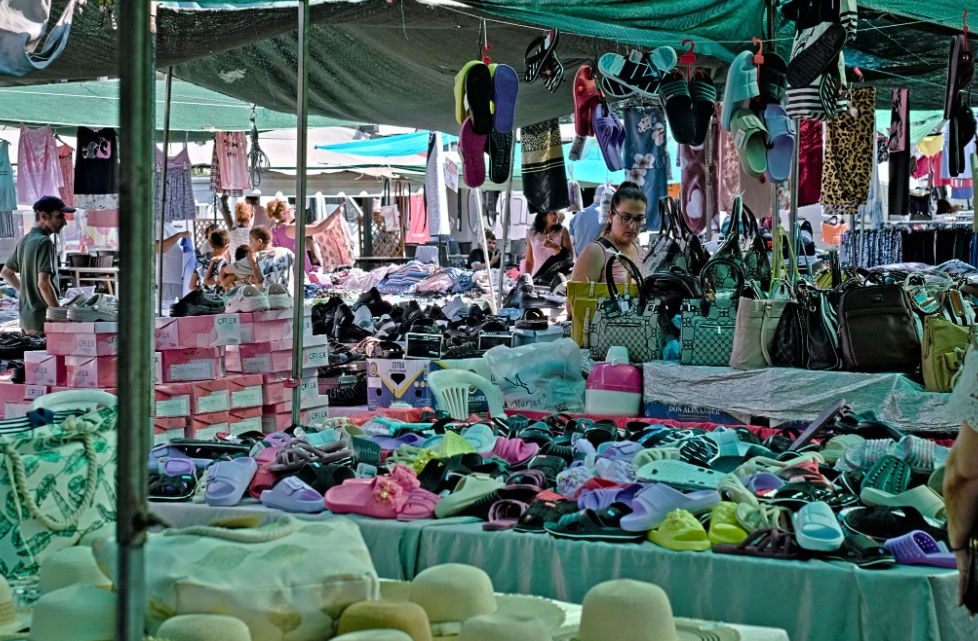
The fashion and textile trade fair circuit is one of the most internationally significant examples of professional event production at scale, attracting buyers, designers, manufacturers, and trend forecasters from across the world to events that serve as the primary marketplace for the global apparel supply chain.
These gatherings require a level of production sophistication that matches the commercial stakes of the transactions they are designed to facilitate.
Events like the major apparel fabric trade fairs held seasonally in Shanghai attract thousands of exhibitors and visitors who are making purchasing and sourcing decisions worth billions of dollars in aggregate.
The production of the physical environment, including exhibit hall design, visitor flow planning, and the quality of supporting infrastructure, directly affects the efficiency of those commercial interactions.
Preparing for a Major Industry Gathering
For visitors attending large-scale industry events, preparation is as important as the production experience itself.
Understanding the layout, scheduling, exhibitor list, and priority appointments before arriving transforms the experience from an overwhelming environment into a structured and productive one.
Visitors heading to events like fabric events at Intertextile Shanghai Apparel Fabrics will find that the event's own visitor planning resources make that preparation significantly easier, offering tools to map appointments, identify relevant exhibitor zones, and understand the full programme before setting foot on the show floor.
That level of visitor infrastructure is itself a product of sophisticated event production thinking, built on the recognition that a well-prepared visitor has a better experience and generates better commercial outcomes for everyone at the event.
The Broader Lesson for Event Organisers
Production Quality as a Strategic Commitment
Organisations that treat event production as a cost to be minimised rather than an investment to be optimised consistently underperform against those that do the opposite. The correlation between production quality and event outcomes is not accidental.
It reflects the fundamental reality that human beings engage more deeply, connect more readily, and make better decisions in environments that have been designed with care and executed with precision.
The most respected events in any industry earn that reputation over time by consistently delivering experiences that meet or exceed the expectations of their audience.
That consistency requires a production partnership built on shared standards, clear communication, and the kind of deep event-specific expertise that only comes from doing this work seriously across many years and many contexts.
Choosing the Right Production Partner
Selecting a production partner for a significant event is one of the most consequential decisions an organiser will make, and it deserves the same rigour applied to any other major strategic choice.
The right partner brings not just technical capability but creative vision, project management discipline, and the ability to anticipate and solve problems before they become visible to attendees.
The organisations building the most admired events across Asia are not doing so by accident but by investing in production partnerships that treat every element of the attendee experience as a reflection of the values and ambitions of the event itself.
That standard of thinking, applied consistently, is what separates events that define an industry from events that simply fill a date on the calendar.
Conclusion
Professional event production has moved from a supporting function to a central strategic discipline, and the events that understand this are the ones setting the standard by which all others in their sector are measured.
Whether the context is a regional brand activation, an international trade fair, or anything in between, the quality of the production determines the quality of the experience, and the quality of the experience determines whether the event achieves what it was built to do.


